Fruits from Morocco: varieties, seasons and sourcing guide
Citrus, table grapes, melons and watermelons, avocado, dried fruit: the seasonal calendar of fruits from Morocco and what to know to import them.
vetafresh team
19 September 2026 · 8 min read
Fruits from Morocco are on European shelves almost all year round: citrus in winter, melons and watermelons in summer, table grapes into the autumn and dried fruit without interruption. The country is one of the major fruit and vegetable exporters of the Mediterranean basin, about four days' transit from Perpignan, the redistribution hub for Europe.
This guide is written for importers, wholesalers and buying centres. It covers, range by range, the fruit we export, its seasons, its formats and how to order it. vetafresh has shipped fresh fruit, vegetables and dried fruit since 2009, from Aït Melloul in the Agadir region.
Fruits from Morocco: the seasonal calendar
Which fruit, and in which season? The table below sums up the windows of our fruit ranges. Exact dates shift from one campaign to the next with the weather: every quote states current availability.
| Product | Jan | Feb | Mar | Apr | May | Jun | Jul | Aug | Sep | Oct | Nov | Dec |
|---|---|---|---|---|---|---|---|---|---|---|---|---|
| Citrus | available | available | available | available | available | available | ||||||
| Table grapes | available | available | available | available | available | |||||||
| Melons & watermelons | available | available | available | available | available | |||||||
| Avocado* | available | available | available | available | available | available | ||||||
| Dried fruit | available | available | available | available | available | available | available | available | available | available | available | available |
Two seasons shape the year. Winter, from November to April, belongs to citrus, with avocado alongside. Summer runs from melons and watermelons, May to September, to table grapes until October. Dried fruit, held in stock, bridges the gap between campaigns. On the vegetable side, our tomato, bell pepper and onion ranges follow their own calendar, set out in our guide to vegetables from Morocco.
Why fruit from Morocco appeals to European buyers
Three strengths explain its place in European supply. Proximity first: a few days' transit is enough to reach Europe, which preserves the fruit's commercial shelf life. Climate next: mild winters and long summers allow harvests out of season or ahead of European production. And the diversity of regions, from the Atlantic Souss to the Oriental, which spreads the harvest of a single product over several weeks.
For a buyer, that means long supply programmes with a single contact across several ranges.
Citrus from Morocco
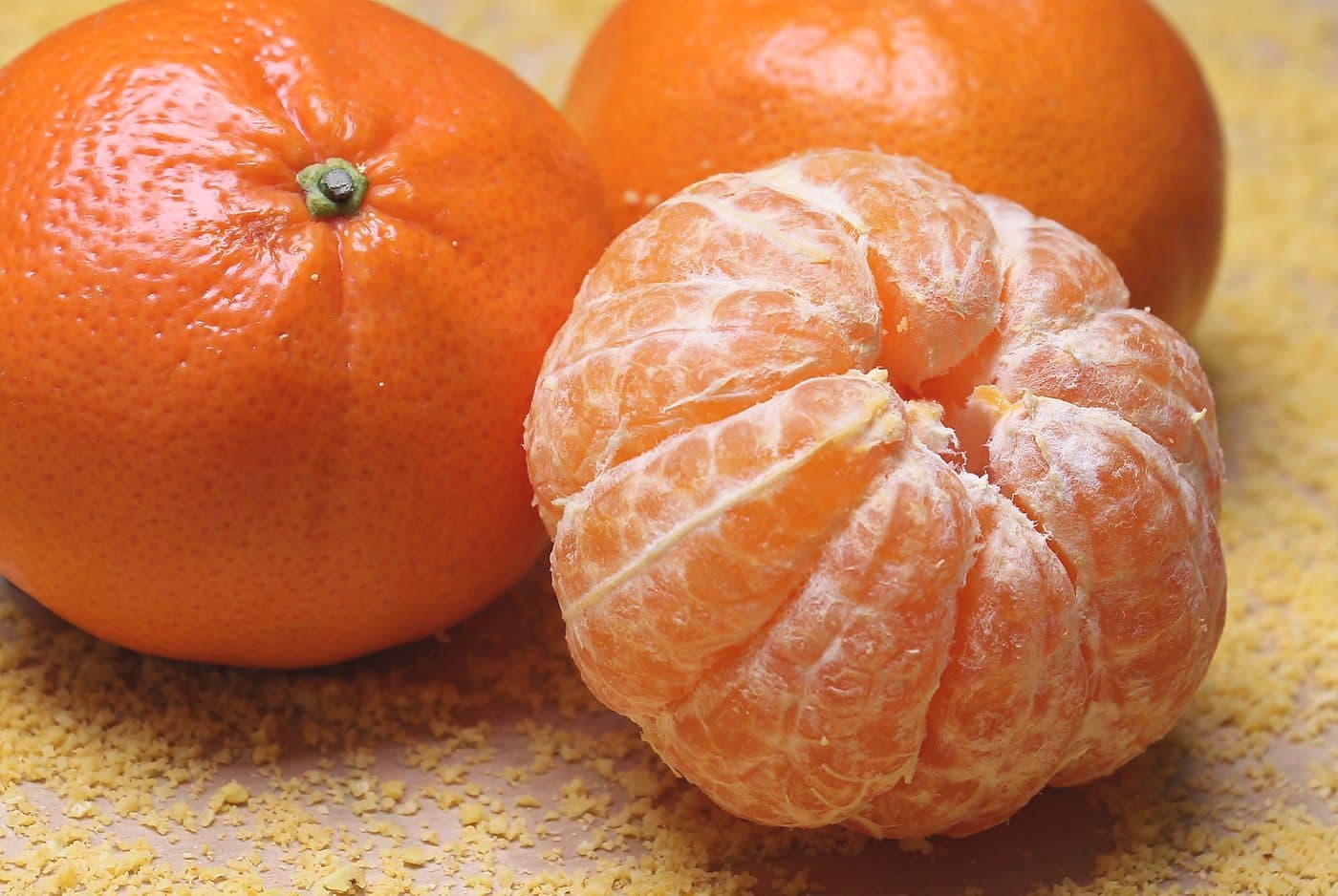
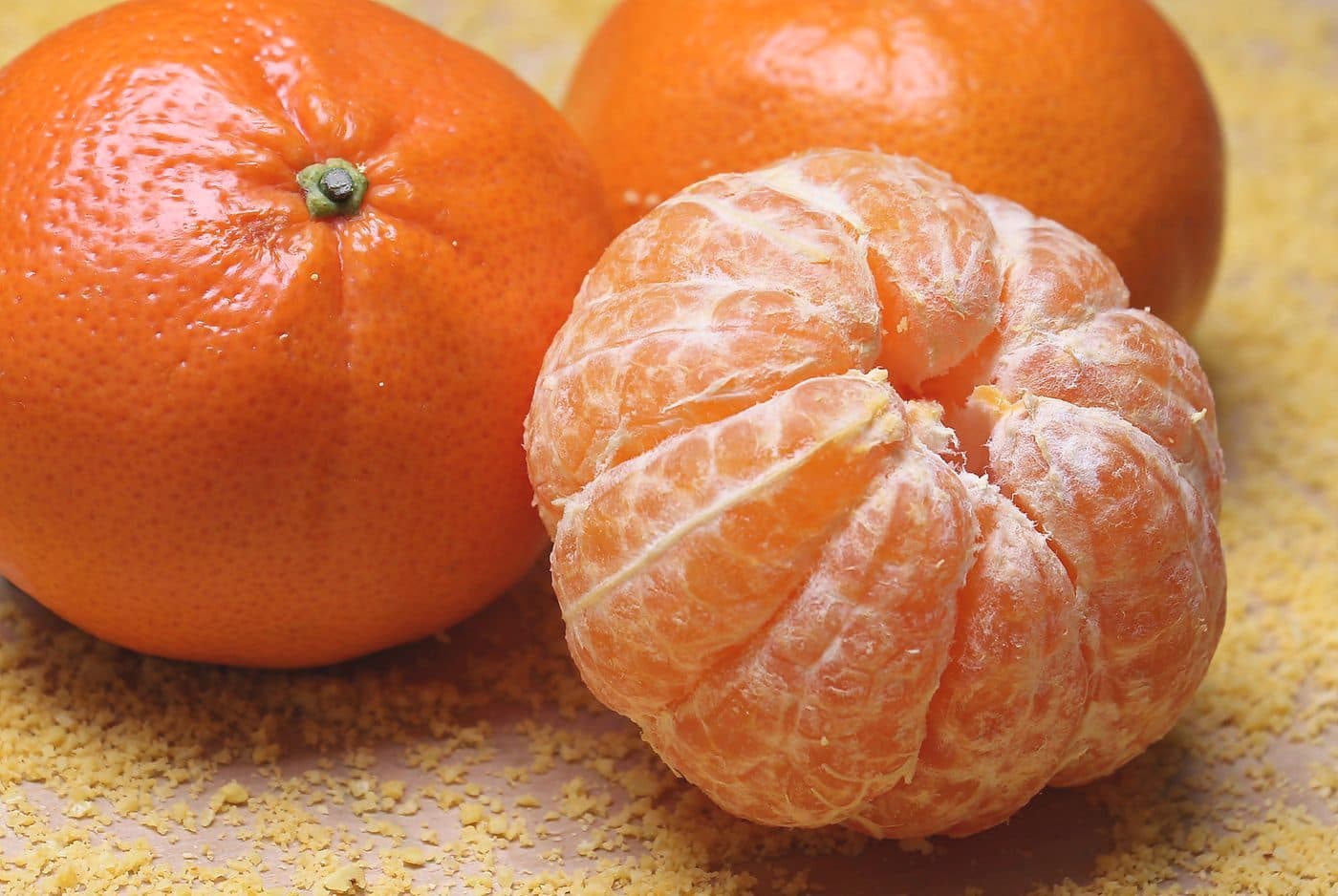
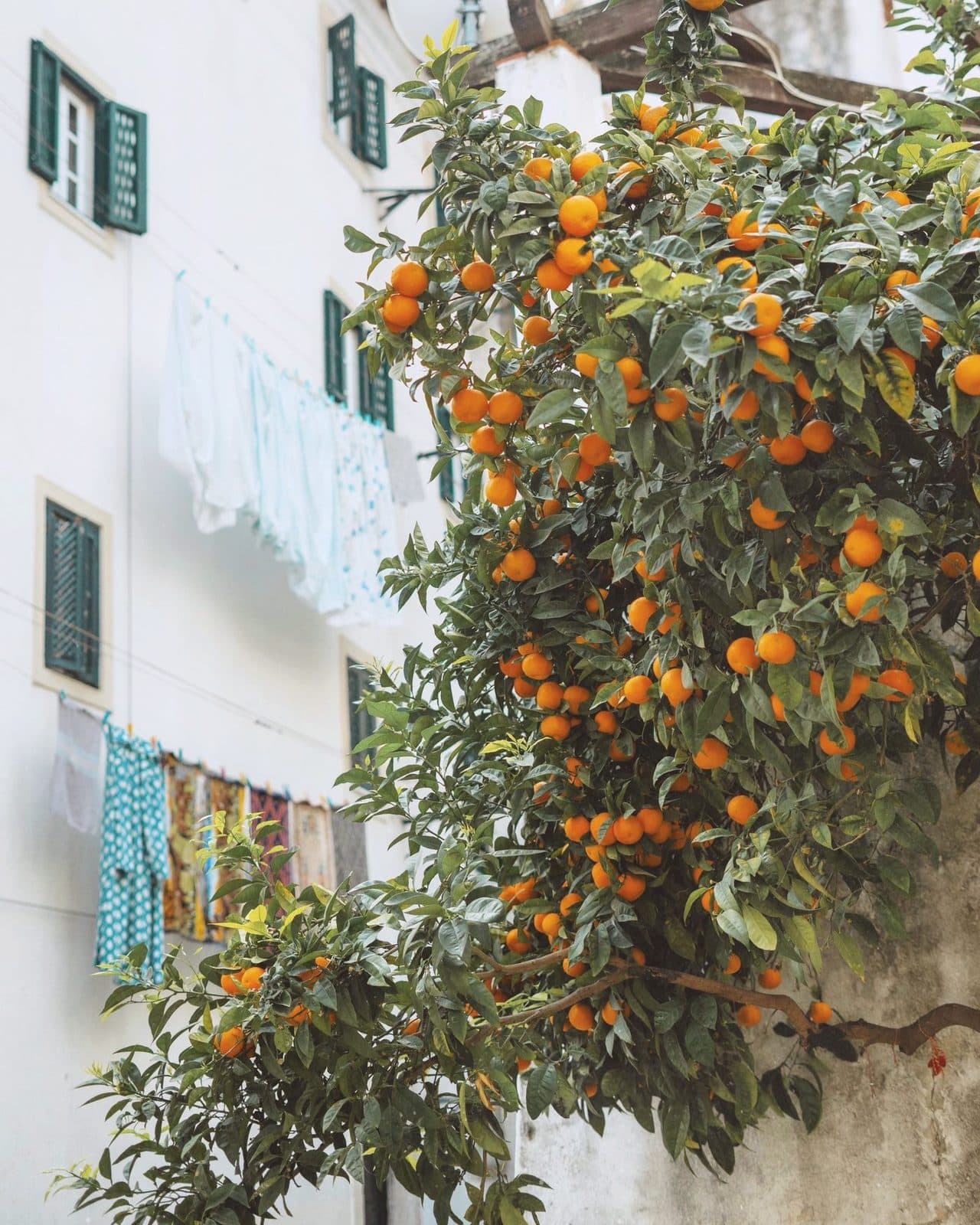
Citrus is the winter range, from November to April. The Nour clementine, seedless, sweet and easy to peel, comes from the Berkane region in the Oriental. It ships from November to January in 10 kg cartons, sizes 1 to 3, with 96 cartons per 100 × 120 cm pallet.
The Maroc Late orange, a late-season eating orange, juicy with balanced acidity, takes over from March. Packed in 15 kg crates, it suits long supply chains. The range also includes lemons. All our citrus is listed in the citrus range.
In a request, specify the variety, size, packing and preferred departure date: with citrus, a few weeks' difference changes the varieties available.
Table grapes
The table grape campaign runs from June to October. We supply seedless varieties in 5 kg export cartons. Our Crimson grapes, red with firm, crunchy berries, are harvested in the Gharb and shipped from July to October, size 18 mm and above.
Each carton gets an SO2 pad that protects the bunches in transit. Grapes are also particularly sensitive to breaks in the cold chain: temperature is held as close as possible to the set point, from the packing station to your dock. See the table grape range.
Melons and watermelons
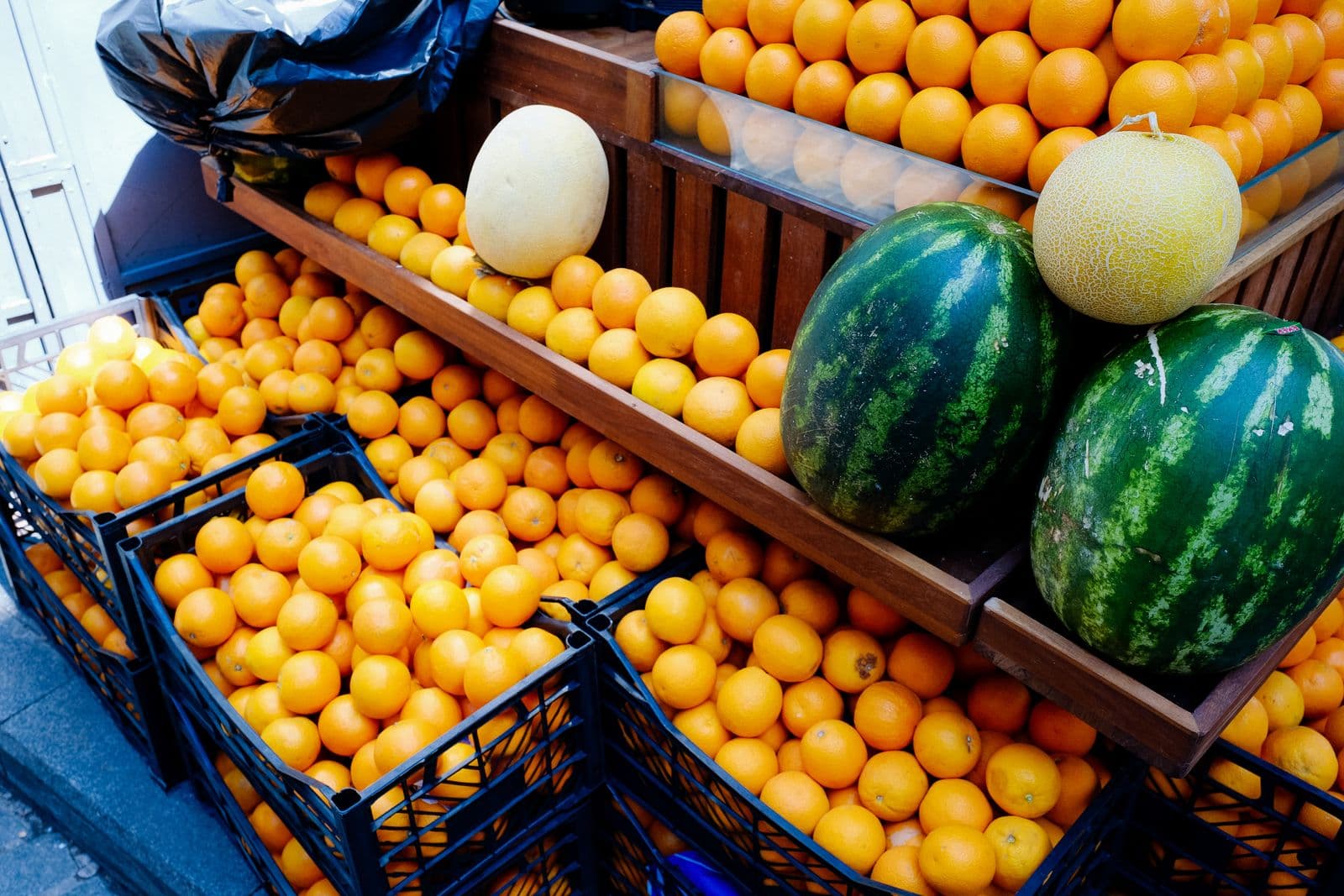
From May to September, the melon and watermelon range takes over: Galia melon, Charentais melon and seedless watermelon. Watermelon is sold by size, 6 to 8 kg or 8 to 12 kg, in export cartons or in bulk on wooden pallets; its Brix is checked at harvest.
Melons and watermelons can ship together in groupage, though not always in the same container: melons give off ethylene, which watermelon is sensitive to. For varieties, calendar and logistics in detail, read our guide to Moroccan watermelon or see the melon and watermelon range.
Avocado
Within about a decade, Morocco has become an avocado origin that counts for European buyers. Production is concentrated in the north-west of the country, from the Gharb to the Loukkos. The export season runs from autumn to spring, complementing southern-hemisphere origins such as Peru, whose campaign centres on the summer. Hass dominates, alongside Fuerte.
Avocado is our newest range: varieties, sizes and departure windows are confirmed each campaign. Our guide to Moroccan avocado explains what to specify in a request.
Dried fruit
Dried fruit complements the fresh campaigns with a year-round offer from stock: almonds, dates, figs and dried apricots.
- Shelled almonds — the shelled almonds in our catalogue come from the Fès-Meknès region. Optically sorted, with controlled moisture content, they are delivered in 25 kg sacks, sizes 12/14 and 14/16.
- Medjool dates — our Medjool dates from Drâa-Tafilalet, with a soft texture, come in Jumbo and Large sizes, in 500 g punnets or 5 kg cartons.
Held in stock, they can be ordered at any time of year, on their own or alongside a fresh-produce programme. The full range is in the dried fruit range.
Fruit-growing regions in Morocco
Our fruit comes from several growing areas, each with its speciality:
- Souss-Massa, around Agadir: watermelons and oranges, close to our base in Aït Melloul;
- Oriental: clementines from the Berkane region;
- Gharb and the north-west: table grapes and avocado;
- Fès-Meknès: almonds;
- Drâa-Tafilalet: Medjool dates.
This spread is a logistical asset as much as an agronomic one: a campaign can open earlier in one region and run on in another.
Marketing standards: what applies to each fruit
In the European Union, fresh fruit must meet marketing standards. Citrus and table grapes fall under specific standards that set classes — Extra, I and II — minimum quality and maturity requirements and sizing rules. Melons, watermelons and avocado fall under the general marketing standard: produce that complies with the relevant UNECE standard is deemed to meet it.
In practice, the class you expect belongs in the quotation request, just like the size: it drives grading at the packing station and the price.
Quality, certification and traceability
The packing stations we work with are audited to GlobalG.A.P. for good agricultural practice and GRASP for working conditions. vetafresh also holds ISO 22000, BRCGS and EU Organic certification, and is approved by ONSSA, Morocco's national food safety authority.
Every campaign includes a pesticide residue analysis that checks compliance with the maximum residue levels (MRLs) of the destination market. Every shipment leaves with its phytosanitary certificate, the residue analysis report and the temperature record for the journey. Traceability goes down to the lot: each pallet carries a number that links it to its plot of origin. Our article on pesticides and MRLs explains the system, and our approach to quality is set out on the About page.
Logistics and Incoterms
Departures are weekly from Agadir and Casablanca, in two formats: the full reefer, a dedicated refrigerated container for regular programmes, and refrigerated groupage for part loads or assortments. Groupage lets you combine several fruits in one shipment, provided their temperatures and ethylene sensitivity are compatible.
Transit to Perpignan takes about four days, with the cold chain recorded end to end. We work from EXW to DDP: from the packing-station gate to customs-cleared delivery at your dock. Europe is our main market, but we also ship to West Africa — Dakar, Abidjan, Accra — and North America. Details of our services are on the Services page.
Building a supply programme
A programme is prepared before the campaign opens, in three steps:
- Set the specification: variety, size, class, packing and labelling.
- Book the volumes: a weekly volume and a departure window agreed in advance secure availability at the size you need.
- Chain the ranges: citrus in winter, melons and watermelons then grapes in summer, dried fruit all year — a single supplier can cover most months.
For a first purchase, refrigerated groupage lets you test an origin or a size on a small volume before moving to a full reefer.
Frequently asked questions about fruits from Morocco
Which fruits does Morocco export in winter?
Mainly citrus — clementines, oranges, lemons — from November to April, and avocado from autumn to spring. Dried fruit is available all year.
How long does delivery to Europe take?
About four days' transit to Perpignan, with weekly departures from Agadir and Casablanca. Lead time to your dock depends on the final destination and the Incoterm.
Can several fruits travel in the same shipment?
Yes, in refrigerated groupage, provided the products are compatible in temperature and ethylene sensitivity. Grapes, citrus and watermelon, for example, have different set points: the load plan is confirmed with the quote.
Which documents come with each shipment?
The phytosanitary certificate, the residue analysis report for the campaign and the temperature record, in addition to the commercial and customs documents. Each pallet carries a lot number.
How to source fruits from Morocco with vetafresh
For a firm quote within 24 working hours, specify:
- the fruit and variety;
- size and packing;
- volume, per week or per shipment;
- Incoterm: EXW, FOB, CFR, CIF, DAP or DDP;
- destination and delivery window.
Send your request through our quotation form or on WhatsApp at +212 708 275 517. To see every range at a glance, request the 2026 catalogue (PDF) or browse all our products.