New residue limits: what changes for the EU
The revised thresholds take effect on 1 October. Products affected and documents to attach to each lot.
Salma Bennani
Quality manager · 21 September 2026 · 1 min read
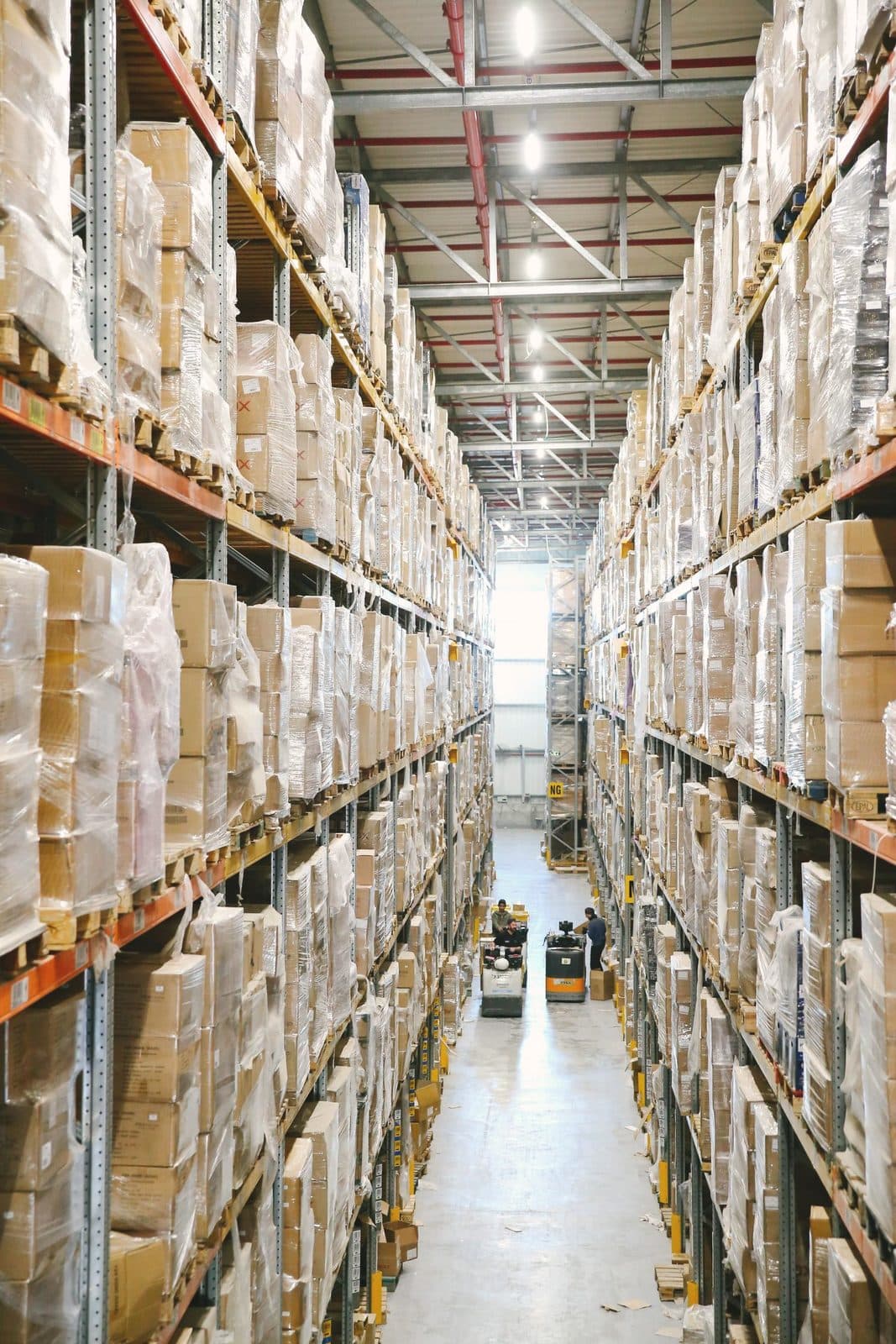
The revised thresholds apply from 1 October 2026 to all fresh fruit and vegetables entering the European Union. For Moroccan exporters, the impact is mainly on the documents accompanying each lot.
What the regulation says
The text lowers the limits for twelve active substances and requires an analysis report dated less than thirty days for the most exposed product families. Border checks remain random, but an undocumented lot is now blocked by default.
Products affected
- Greenhouse tomatoes and peppers — two substances reclassified. Souss-Massa vine tomato and red bell pepper exports are the first concerned.
- Citrus — post-harvest treatment threshold halved, notably for the Nour clementine shipped to Europe between November and January.
- Table grapes — new requirement for analysis by plot.
A lot without a valid analysis report is no longer delayed: it is rejected. Compliance becomes a commercial prerequisite.
Timetable
Shipments leaving Morocco before 30 September remain under the previous regime. After that, the loading date is what counts, not the order date.
How we are preparing
Our twelve partner stations have brought their analysis plans forward by six weeks. Every shipping file now includes the analysis report, the phytosanitary certificate and the temperature record, available online via the lot number.