Moroccan Fruit and Vegetable Supplier for Ghana: Direct Supply to Accra
Products, seasonal calendar, reefer shipping to Tema, quality documents and how to order: a sourcing guide for importers and supermarket buyers in Ghana.
vetafresh team
8 October 2026 · 6 min read
Ghanaian importers source from Morocco for a straightforward reason: the products that Accra's supermarkets, hotels and restaurants need year-round — table grapes, citrus out of local season, greenhouse tomatoes — are not grown locally at commercial export scale, and Morocco produces them a short sea voyage away rather than a long one.
This guide is written for importers, wholesalers, distributors and supermarket buyers who want to work with a Moroccan fruit and vegetable supplier directly: which products, in which months, shipped how, with which documents. vetafresh has exported fresh fruit, vegetables, dried fruit and nuts since 2009 from the industrial zone of Aït Melloul, near Agadir, and West Africa — Accra included — is one of our regular destinations.
Buying direct from the exporter changes three things for a Ghanaian importer. The price reflects the goods, the packing and the agreed freight leg, with no reseller margin folded in. The lot number traces back to the plot and the packing station rather than stopping at an intermediary's warehouse. And one account manager stays with the shipment from confirmation to departure, which matters most when a size or a sailing has to be changed mid-week.
Products available
Five groups account for most of what we ship to this market.
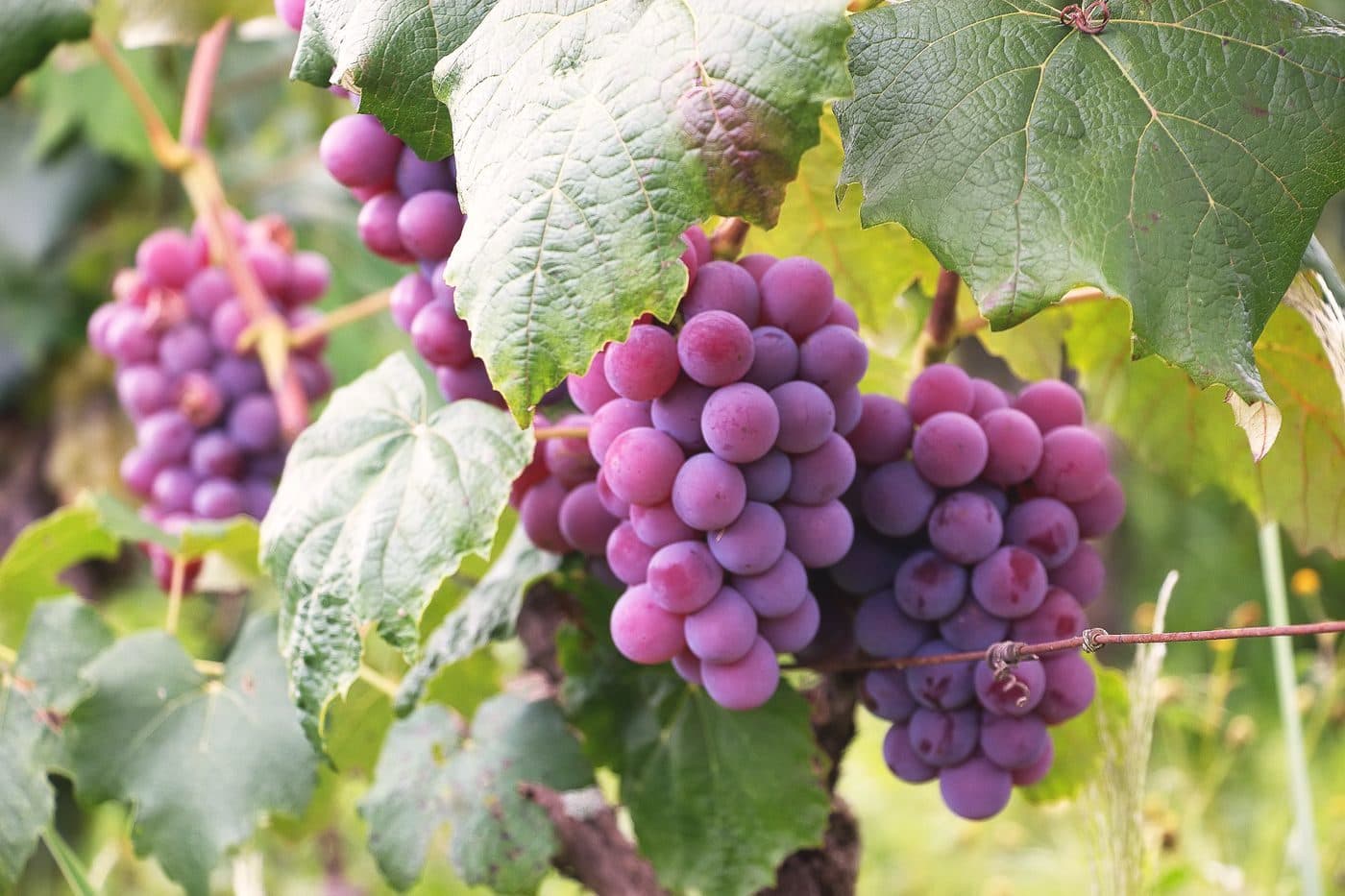
Table grapes. The import product par excellence, since it is not grown locally for the trade. Crimson grapes — red, seedless, firm and crisp — run from July to October in 5 kg export cartons with an SO2 pad. See the table grapes range.
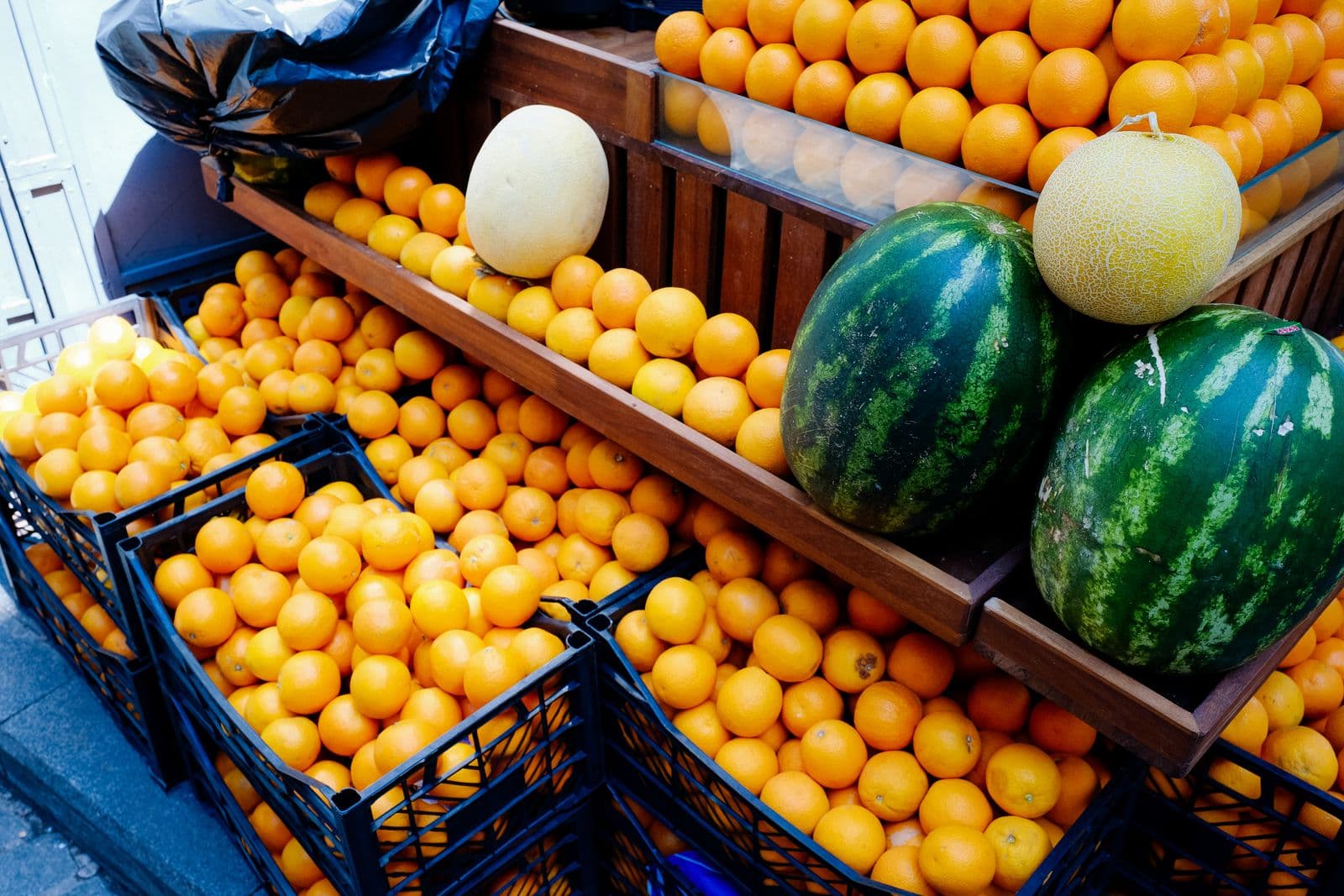
Citrus. From November to April the citrus range covers clementines, oranges and lemons. The Maroc Late orange is a late dessert orange with plenty of juice and controlled acidity; it starts in March and holds up well over a long sea leg, which makes it the easiest citrus to programme for this route.
Tomatoes and peppers. Vine tomato (October to May) and blocky red pepper (October to June) are aimed at modern retail and food service, which buy on size consistency rather than on price per kilo. They are also the two most demanding products here in terms of cold chain. See tomatoes and bell peppers.
Melons and watermelon. From May to September, the melons and watermelons range covers the hot season.
Dates and nuts. Medjool dates from the Drâa-Tafilalet, in 500 g punnets or 5 kg cartons, are available all year and need no refrigeration — the simplest line to add to a shipment. Almonds and dried figs sit in the same dried fruit range.
Seasonal calendar
The table below is taken from our catalogue. Exact dates shift from one campaign to the next with the weather, so every quotation states what is actually available at the time.
| Product | Jan | Feb | Mar | Apr | May | Jun | Jul | Aug | Sep | Oct | Nov | Dec |
|---|---|---|---|---|---|---|---|---|---|---|---|---|
| Citrus | available | available | available | available | available | available | ||||||
| Table grapes | available | available | available | available | available | |||||||
| Melons & watermelons | available | available | available | available | available | |||||||
| Tomatoes | available | available | available | available | available | available | available | available | ||||
| Bell peppers | available | available | available | available | available | available | available | available | available | |||
| Dried fruit | available | available | available | available | available | available | available | available | available | available | available | available |
The sequence is easy to plan around: grapes cover summer into autumn, citrus and greenhouse vegetables take winter and spring, and dried fruit fills the gaps. Combining two or three ranges gives you a programme that runs all year with one supplier and one set of documents. Sizes and packing for every reference are in the catalogue.
Shipping to Accra and Tema
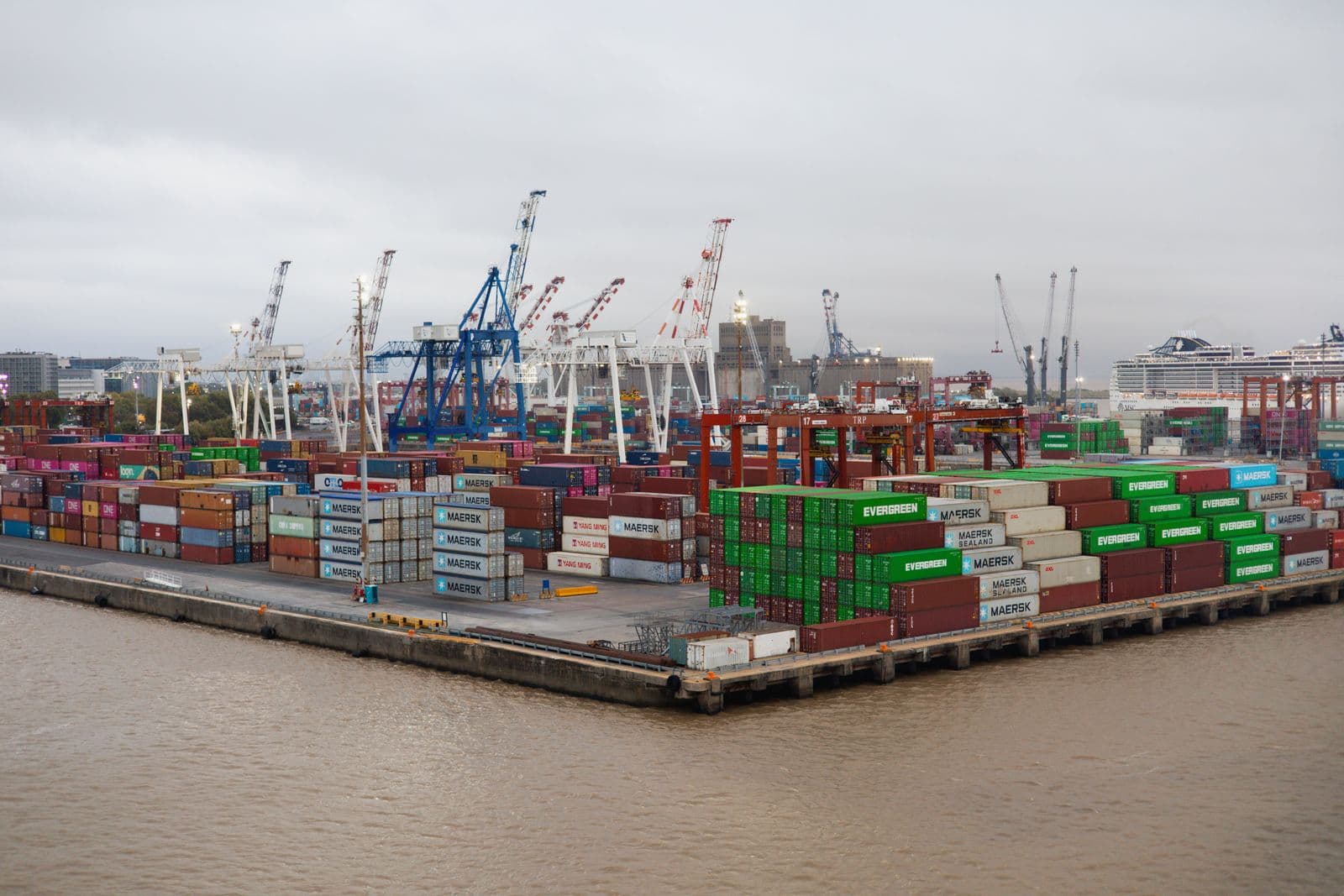
Ghana is served by sea freight, in refrigerated containers to the port of Tema, which handles the country's container traffic and serves Accra. A full reefer suits regular volumes and campaign programmes: the container is loaded at the packing station and opened at destination, with nothing in between.
For a partial volume, a first trial or a mixed assortment, refrigerated groupage lets you share a container instead of chartering a whole one. The trade-off is that groupage means handling breaks, and each one is a point where the temperature can leave its range.
We do not quote transit times in advance: they depend on the sailing, the routing and the formalities on arrival. They are confirmed in the quotation once the destination and the Incoterm are fixed. We work across the full range from EXW to DDP — our sourcing and export logistics services are set out on the Services page.
In Ghana's climate, the cold chain decides the rest. Our produce is pre-cooled at the station before loading and then carried under logged temperature. A container loaded warm spends its first hours removing heat instead of holding a set point, and those hours come straight off the product's shelf life. The temperature record is handed over with the lot documents — it is the only evidence either side can rely on if quality is ever disputed.
Quality, certifications and import documents
The packing stations we work with are audited to GlobalG.A.P. for good agricultural practice and GRASP for labour conditions. vetafresh is also certified to ISO 22000 and BRCGS, holds EU Organic certification for the relevant lines, and is approved by ONSSA, the Moroccan food safety authority. A pesticide residue analysis is carried out every campaign.
A shipment normally travels with four documents, plus the temperature record:
- the phytosanitary certificate;
- the certificate of origin;
- the commercial invoice;
- the packing list.
That is the common base for all our shipments. What Ghanaian authorities require on entry, and how clearance is handled, is their call and it can change: have your clearing agent in Tema or Accra confirm the current list before you commit to a programme, and tell us what needs to be attached. We prepare the file accordingly.
Traceability runs down to the lot. Every pallet carries a number tying it to the plot it came from and the station that packed it, so a query on one arrival can be narrowed to the lot concerned instead of holding up the whole shipment — which is also what retail buyers ask to see.
What supermarket and hotel buyers specify
Modern retail and hospitality buy differently from a wholesale market, and the difference is settled at order stage rather than on arrival:
- Size consistency. A shelf is built on the same size week after week. Tell us the range you genuinely accept — the narrower it is, the more selective the grading and the higher the cost, so asking for a single size where two would sell only makes the lot dearer.
- Packing and labelling. Export carton, punnet or tray, label language, barcode, own-brand artwork: all of it is decided before the goods are packed at the station, never afterwards.
- Documented quality. Retail chains expect to trace a lot and produce the analysis behind it. That is exactly what the pallet number carries.
How to order
The quickest route is WhatsApp, on +212 708 275 517: it is the channel we use day to day with buyers across West Africa, and where answers come fastest. The quotation form works just as well if you would rather put it in writing.
For a firm quote within 24 working hours, send us:
- the product, variety and size;
- the volume, per week or per shipment;
- the arrival date you are working towards;
- full container or groupage;
- the Incoterm: EXW, FOB, CFR, CIF, DAP or DDP.
For a first order, a small volume in groupage lets you check the origin, the sizing and how the produce holds up on arrival before committing to a season programme. To see every range with sizes and packing, request the 2026 catalogue (PDF).